Summary
Travel fatigue and car accidents increase after major holidays due to long drives, poor sleep, and disrupted routines. Fatigue slows reaction times, causes driver inattention, and leads to preventable injuries. This guide explains how fatigue causes crashes, when risk is highest, how negligence is proven, and why legal help matters in Sacramento.
Table of Contents
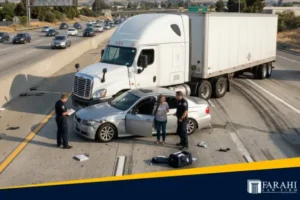
After long holiday trips, overnight drives, or demanding work schedules, many California drivers return to the road exhausted and unfocused. Travel fatigue and car accidents often spike during these periods, particularly when drivers underestimate how tired they truly are.
Fatigue reduces alertness, slows reaction times, and increases driver inattention—creating conditions ripe for serious collisions. In Sacramento, interstate highways bring post-holiday traffic back into the city. Fatigued drivers face higher risks there.
Understanding how fatigue contributes to crashes and how liability can be established is essential for protecting your health and legal rights.
Why Travel Fatigue Raises Accident Risk

According to the National Highway Traffic Safety Administration (NHTSA), drowsy driving was involved in an estimated 91,000 police-reported crashes in 2017, leading to approximately 50,000 injuries and nearly 800 deaths.
However, experts agree these numbers likely underestimate the true scope of the problem. Long-distance travel, congested roads, and pressure to arrive on time, especially around Thanksgiving weekend and Christmas, push drivers beyond safe limits.
Fatigue builds gradually. Drivers may feel “fine” while their brain function and reflexes are already impaired. These conditions lead to preventable injuries that often could have been avoided with proper rest, planning, or awareness.
How Fatigue Impacts Reaction Time, Judgment, and Attention
Fatigue directly affects the brain’s ability to process information. Slower reaction times mean delayed braking, missed hazards, and poor lane control. Driver inattention increases as tired drivers struggle to focus on traffic signals, road signs, and surrounding vehicles.
Driver sleepiness also increases the risk of microsleeps—brief, uncontrollable lapses in consciousness that can last several seconds. At highway speeds, a few seconds of inattention can be fatal.
Drowsy Driving Compared to Distracted and Drunk Driving
Type of Impairment | Common Behaviors | Risk Level |
Drowsy Driving | Microsleeps, drifting lanes, delayed braking | High |
Distracted Driving | Phone use, navigation apps, divided focus | High |
Drunk Driving | Poor coordination, impaired judgment | Extremely High |
According to research, being awake for 17-19 hours produces performance impairment equivalent to a blood alcohol concentration (BAC) of 0.05%, and after 20-24 hours of wakefulness, impairment is equivalent to 0.08-0.10% BAC (the legal limit in most states).
High-Risk Travel Periods and Crash Trends
CNN reported that the Sunday after Thanksgiving shows a 65% spike in crash rates compared to the previous Sunday, driven by heavy congestion, long-distance travel, and driver fatigue as millions of Americans return home. Rear-end collisions are especially common during morning and evening commutes.
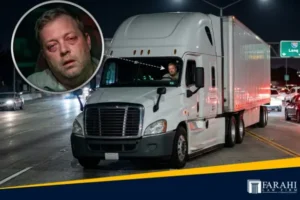
Drivers working overnight or extended hours, such as graveyard shift workers, face elevated risks when commuting home exhausted. Their internal clocks are misaligned, making alert driving even more difficult.
Where Fatigue-Related Crashes Commonly Occur
Many fatigue-related crashes happen on interstate highways, where long, monotonous stretches reduce stimulation and awareness. Skipping designated rest areas worsens fatigue and increases crash risk.
Using navigation apps during long trips can add mental strain. Rerouting alerts can interrupt drivers who are already tired.
The Role of Work Schedules and Sleep Disorders
Work demands play a major role in fatigue-related crashes. Long shifts, overnight schedules, and irregular hours increase driver exhaustion. In some cases, driver logs—especially for commercial or gig drivers—may reveal unsafe schedules or violations of rest requirements.
Medical conditions such as obstructive sleep apnea also significantly increase crash risk. Drivers with untreated sleep disorders may feel very sleepy during the day without knowing the danger. This makes fatigue-related accidents more likely.
Proving Fatigue-Related Negligence in a Car Accident Case
Fatigue-related negligence can be proven using evidence such as:
- Work and travel schedules
- Driver logs and time records
- Phone and GPS data
- Witness statements describing erratic driving
- Police observations at the scene
Federal and state traffic safety rules recognize fatigue as a major hazard. Violations of fatigue-related measures—especially for professional drivers—can strongly support liability claims.
Practical Fatigue-Related Measures Drivers Can Take
To reduce risk, drivers should:
- Plan routes with regular breaks at rest areas
- Take a short power nap when drowsiness appears
- Maintain vehicles to ensure brakes and safety systems work properly
- Use built-in safety features as backup, not substitutes for alert driving
- Follow recommended fatigue-related measures for safe travel
Why a Sacramento Car Accident Lawyer Matters
Fatigue-related crashes are frequently challenged by insurance companies, which argue that exhaustion is difficult to prove. The best car accident lawyer in Sacramento understands how to counter these tactics by gathering time records, analyzing travel schedules, reviewing digital data, and working with experts to establish liability.
Legal representation ensures insurers cannot dismiss fatigue as speculation and helps victims pursue the full compensation they deserve. That level of dedication often makes a meaningful difference for families facing the aftermath of a serious crash.
As one client shared:
“Farahi Law Firm gave my family something to look forward to, that is to make things right and smile again. The team was very helpful and made sure they got every detail I provided of the car accident to be able to help my family get through this traumatic time and have the at-fault driver face consequences. They wasted no time to get things going instead of turning my family away like other law firms.”
– Lupe G.
When fatigue plays a role in a crash, having an injury attorney who takes the time to investigate thoroughly can be the key to achieving a fair outcome.
Frequently Asked Questions
Driver fatigue can impair reaction times, judgment, and awareness in ways similar to drunk driving. Severe exhaustion may cause microsleeps, delayed braking, and missed hazards. Fatigue is hard to notice.
Many drivers do not realize the danger until a crash happens. This makes fatigue a serious traffic safety problem.
Yes. Graveyard shift workers often drive during hours when the body naturally expects to be asleep. Fatigue makes drivers sleepy. It slows their reaction times. It also raises the risk of accidents caused by tiredness. This is especially true after long or hard work shifts.
Driver logs can show long hours, skipped rest breaks, or violations of safety rules. Logs, combined with GPS data or witness statements, help show whether fatigue caused a crash. They also show if drivers ignored safety rules.
Yes. Untreated obstructive sleep apnea causes excessive daytime fatigue and poor concentration. If a driver knew or should have known about the condition and continued driving, it may support a negligence claim when fatigue played a role in the crash.
Many fatigue-related crashes are preventable with proper rest, planning, and use of rest areas. Ignoring signs of tiredness or driving while tired increases the risk. California traffic safety rules may see this as negligence.
Taking the Next Step After a Fatigue-Related Crash
Travel fatigue and car accidents often cause serious, life-changing problems. If you were injured due to a fatigued driver, acting quickly matters. Medical care, documentation, and experienced legal guidance can protect your future.
Contact Farahi Law Firm today for a free consultation and learn how we can help you get the medical care you need and the money you deserve.2