
Rental property injuries are among California’s most frequent causes of tenant lawsuits, often stemming from preventable hazards like poor lighting, broken railings, or unsafe wiring. Most tenants trust their landlords to keep their homes safe, yet many rental property injuries result from hidden, unreported hazards.
This guide explains the five most common dangers in rental homes and apartments — and what California law says about your right to safety, medical treatment, and fair compensation.
Understanding California’s Premises Liability Law
California’s premises liability law centers on one principle: landlords must act with reasonable care to keep tenants safe under Civil Code §1714. If they fail to address a known safety risk or ignore visible damage, they may be liable under premises liability law for resulting medical expenses, lost wages, and emotional distress.
Here’s how the law works in plain terms:
- Control: The landlord must have authority over the area or hazard.
- Knowledge: They knew (or should’ve known) about the danger.
- Action: They failed to act with reasonable care.
Remember: California follows the comparative fault system, which means multiple parties can share liability — a landlord, a maintenance contractor, or even another tenant — depending on who controlled the hazardous condition.
5 Frequent Causes of Rental Property Injuries
Unsafe conditions in rental properties often result from poor maintenance, ignored safety inspections, or outdated building systems. Below are some of the most common causes of rental property injuries and their consequences:
Hazard Type | Examples | Common Injuries / Legal Impact |
Broken stairs | Weak railings, uneven steps, missing boards | Fractures, spinal cord injuries, head trauma |
Poor lighting | Dim hallways, stairwells, or parking lots | Slip and fall accidents, concussions, bruises |
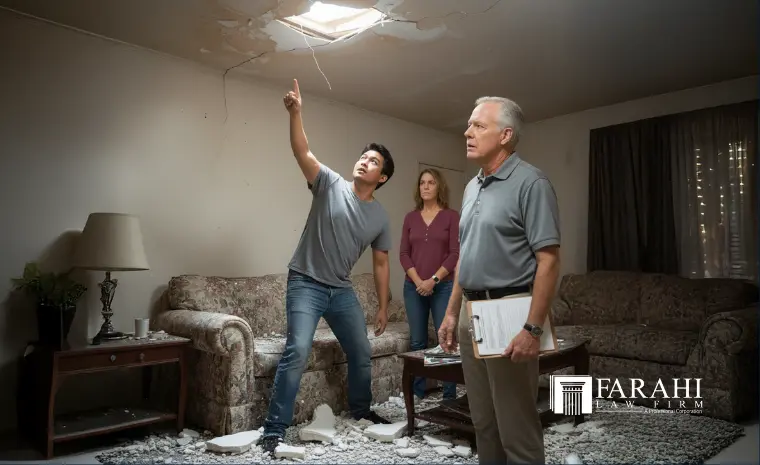
Mold & structural issues | Leaks, poor ventilation, roof damage | Respiratory illness, skin irritation, long-term health problems |
Faulty wiring | Exposed outlets, overloaded circuits, and a lack of fire detectors | Burns, electrical shocks, and property damage |
Hidden hazards | Lead paint, pests, carbon monoxide, radon | Chronic illness, hospitalization, and tenant displacement |
Even minor oversights can lead to serious injury and costly claims. If you’ve been hurt due to unsafe conditions, call our award-winning legal team in Visalia today for a free case review.
How to Prove Negligence in Property Maintenance
In California, proving landlord negligence after rental property injuries depends on showing four key elements under California Jury Instructions (CACI 1001–1003):
- Duty of care – The landlord was legally obligated to maintain safe conditions and follow reasonable inspection practices.
- Breach – They failed to repair or warn about a known hazard, violating that duty.
- Causation – The unsafe condition directly caused the tenant’s accident or injuries.
- Damages – The tenant suffered measurable harm, such as medical bills, lost wages, or pain and suffering.
Tip: Documenting issues, taking photos, and collecting witness statements or inspection reports can make or break a case. Proper evidence collection is essential to proving fault and securing fair compensation under California law.
Prevention Tips for Tenants and Landlords
Building a strong safety culture starts with awareness and action. Tenants and landlords have roles to play in preventing rental property injuries and maintaining safer homes across California.
For Tenants | For Landlords |
Report hazards early — even small leaks or loose steps. | Conduct regular safety inspections to identify risks before they escalate. |
Keep copies of written notices and inspection logs for future reference. | Make prompt repairs and follow reasonable steps to maintain the property. |
Document maintenance issues with photos or videos. | Install and maintain fire and carbon monoxide detectors in all units. |
Communicate concerns clearly with the property management company. | Schedule pest control and routine property maintenance checks. |
Taking proactive measures strengthens tenant protection and demonstrates a landlord’s commitment to reasonable care, reducing the risk of costly legal disputes.