Crashes happen in an instant, but their effects—medical bills, emotional stress, and lasting injuries—can linger. If you’re an injured party, understanding the cause of the collision is key to protecting your rights.
Some drivers make careless mistakes, while others take dangerous risks behind the wheel. These behaviors may seem similar, but the law views them differently. That difference can affect everything from liability to compensation.
In this article, we’ll explain a critical legal distinction that every accident victim should know: reckless vs negligent driving.
Reckless vs Negligent Driving
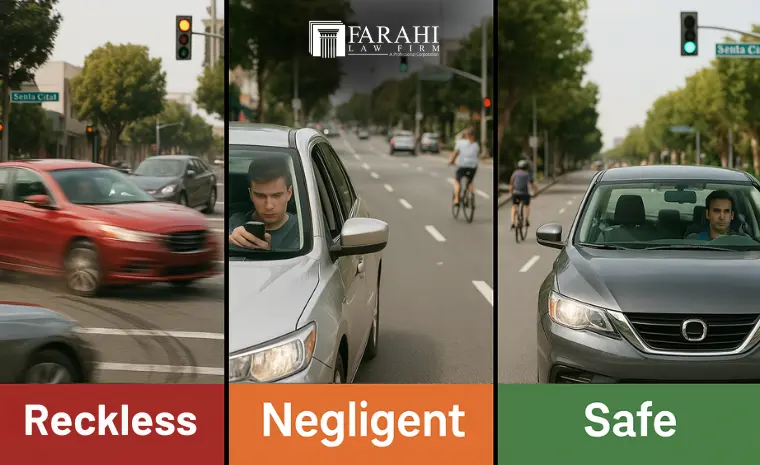
Understanding reckless vs negligent driving is essential if you’ve been injured in a crash caused by someone else’s poor decisions. While both are dangerous, the legal consequences and intent behind each are very different.
What Is Negligent Driving?
Negligent driving occurs when someone fails to use the level of care that a reasonably cautious driver would in the same situation. It’s often unintentional, but that doesn’t make it any less dangerous. Even a moment of inattention or poor judgment behind the wheel can cause serious harm to others on the road.
Negligence is about mistakes or carelessness—actions that violate the duty to drive safely and follow traffic laws designed to protect the safety of persons on public roads.
Examples of negligent driving include:
- Looking at a phone instead of the road (distracted driving)
- Failing to yield at an intersection or crosswalk
- Rolling through or ignoring traffic signals
- Driving just slightly above posted speed limits
- Making unsafe lane changes without signaling
While these may seem like everyday errors, they are considered negligent actions under California law. If they cause a crash, they can make a driver liable in a personal injury claim.
What Is Reckless Driving?
Reckless driving, on the other hand, is far more serious. It involves a wanton disregard for the safety of others—a conscious decision to break the rules and endanger lives. These are not simple mistakes; they are deliberate, dangerous actions that entirely disregard safety.
Reckless drivers are not just careless—they knowingly take risks that could cause harm, and because of this, reckless driving charges carry heavier consequences.
Examples of reckless driving include:
- Excessive speeding, especially in school zones or heavy traffic
- Street racing or aggressive tailgating
- Driving under the influence of drugs or alcohol
- Running red lights on purpose or ignoring stop signs
A conviction for reckless driving can lead to severe penalties, including:
- Fines and court fees
- Points added to your driving record
- License suspension
- Possible jail time
- Long-term increases in insurance costs due to reports to insurance companies
Why the Difference Matters
For accident victims in California, reckless vs. negligent driving can affect both criminal outcomes and civil compensation. While both forms of misconduct can lead to a personal injury claim, reckless driving often leads to harsher judgments—and, in some cases, punitive damages.
According to the California Office of Traffic Safety, public roads saw over 4,000 fatal crashes in 2021 alone. Many were tied to driver error, with auto accidents linked to reckless driving and careless driving on the rise. Understanding this context can help victims and their families pursue justice more confidently.
What to Do After a Traffic Collision
A crash can be overwhelming, but your immediate actions are crucial for recovery and your case. Whether due to negligent or reckless driving, these steps can safeguard your health, rights, and future:
- Get checked by a medical professional. Some severe injuries may not be visible right away. Prioritize your well-being, even if you don’t feel hurt.
- Report the accident to the authorities. A police report creates an official record, which can be important when filing a personal injury claim.
- Document everything you can. Take photos of the vehicles, road conditions, and your injuries. If anyone witnessed the crash, ask for their contact information.
- Limit communication with insurance companies. Their job is to protect their bottom line—not yours. It’s best to wait until you’ve spoken to a lawyer.
- Talk to an experienced legal professional. Our car accident lawyers in Santa Clara can explain your options, deal with legal paperwork, and advocate for the compensation you deserve.
Your Recovery Deserves the Right Legal Help
A collision caused by dangerous behaviors can lead to more than just physical harm—it can bring lasting emotional trauma. If you’ve suffered a bodily injury in a motor vehicle accident, it’s essential to know how the law views reckless vs negligent driving.
Violating the duty of care puts others at risk and carries serious legal consequences. You don’t have to navigate this alone. Our dedicated accident attorney team in Santa Clara is ready to offer trusted legal assistance and help you pursue justice. Contact us today for a free consultation
Crashes happen in an instant, but their effects—medical bills, emotional stress, and lasting injuries—can linger. If you’re an injured party, understanding what caused the crash is critical to protecting your rights and your recovery.
In California, reckless vs negligent driving refers to two distinct types of driver behavior. Negligent driving involves carelessness or errors, while reckless driving means a driver consciously dismisses safety risks. This distinction can directly affect liability, penalties, and the amount of compensation you may recover.
Some drivers make careless mistakes, while others take dangerous risks behind the wheel. These behaviors may seem similar, but the law views them differently. That difference can affect everything from liability to compensation.
Here’s how the law distinguishes these two behaviors—and why it’s important for your case.
Reckless vs Negligent Driving in California
Reckless versus negligent driving might seem similar, but California law treats them very differently. The main difference lies in intent—whether the driver acted carelessly or deliberately ignored safety risks. This difference can impact liability, penalties, and the compensation an injured party may recover.
What Is Negligent Driving?
Under California law, negligence is generally defined as a failure to exercise reasonable care, which forms the basis of most personal injury claims. Negligent driving is often unintentional, but that doesn’t make it any less dangerous. Even a moment of inattention or poor judgment behind the wheel can cause serious harm to others on the road.
Negligence is about mistakes or carelessness—actions that violate the duty to drive safely and follow traffic laws designed to protect the safety of persons on public roads.
Examples of negligent driving include:
- Looking at a phone instead of the road (distracted driving)
- Failing to yield at an intersection or crosswalk
- Rolling through or ignoring traffic signals
- Driving just slightly above the posted speed limits
- Making unsafe lane changes without signaling
While these may seem like everyday errors, they are considered negligent actions under California law. If they cause a crash, they can make a driver liable in a personal injury claim.
What Is Reckless Driving?
Reckless driving is far more serious than ordinary carelessness. Under California Vehicle Code §23103, it is defined as driving with willful or wanton disregard for the safety of persons or property. In other words, it involves a conscious decision to ignore known road risks.
These are not simple mistakes—they are deliberate, dangerous actions that put others at significant risk. Because of this heightened intent, reckless driving charges carry more severe legal consequences than negligent behavior.
Examples of reckless driving include:
- Excessive speeding, especially in school zones or heavy traffic
- Street racing or aggressive tailgating
- Driving under the influence of drugs or alcohol
- Running red lights on purpose or ignoring stop signs
A conviction for reckless driving can lead to severe penalties, including:
- Fines and court fees
- Points added to your driving record
- License suspension or restrictions
- Possible jail time, depending on the severity of the incident
- Long-term increases in insurance costs due to reports to insurance companies
Key Differences Between Reckless and Negligent Driving
|
Factor |
Negligent Driving |
Reckless Driving |
|
Intent |
Unintentional carelessness |
Willful disregard for safety |
|
Behavior Type |
Mistakes (e.g., distracted driving, missed traffic signals) |
Deliberate risk-taking (e.g., street racing, drunk driving) |
|
Legal Classification |
Civil liability |
Criminal offense (misdemeanor) + civil liability |
|
Penalties |
Typically financial liability |
Fines, driving record points, license suspension, and possible jail time |
|
Impact on Injury Claims |
Standard compensation |
May support higher compensation, including punitive damages |
|
Risk Level |
Moderate to high |
High and often life-threatening |
Why the Difference Matters
For accident victims in California, including those involved in crashes near El Camino Real, reckless vs negligent driving can affect both criminal outcomes and civil compensation.
While both types of misconduct can lead to a personal injury claim, reckless driving often results in stricter penalties and, in some cases, punitive damages. These damages are additional forms of compensation meant to punish particularly dangerous behavior and deter it in the future.
According to the California Office of Traffic Safety, public roads saw over 4,000 fatal crashes in 2021 alone. Many were tied to driver error, with auto accidents linked to reckless driving and careless driving on the rise. Understanding this context can help victims and their families pursue justice more confidently.
What to Do After a Traffic Collision
A crash can be overwhelming, but your immediate actions are crucial for recovery and your case. Whether due to negligent or reckless driving, these steps can safeguard your health, rights, and future:
- Get medical attention immediately. Some injuries may not appear right away. Prompt care also creates medical records that support your claim.
- Call the police and request a police report. This report can document key details, including signs of reckless driving, and may help establish fault.
- Preserve evidence of what happened. Collect photos, videos, and contact information from witnesses. Evidence such as dashcam footage or traffic camera data can help show whether the driver acted recklessly or negligently.
- Be cautious when speaking with insurance companies. Early statements may be used to minimize your claim. It’s best to understand your position before discussing details.
- Avoid posting about the accident online. Public content can be reviewed and used against you during the legal process.
- Consult a legal professional as soon as possible. Experienced car accident lawyers in Santa Clara can assess liability, gather evidence, and guide you through the legal process while protecting your right to compensation.
Your Recovery Deserves the Right Legal Help
A collision caused by reckless driving or negligence can leave more than physical injuries—it can lead to ongoing emotional stress, lost income, and mounting medical bills. The way your case is classified under California law can directly impact how much money you recover and how your claim is handled.
If your accident involved reckless or negligent driving, the difference can shape your legal strategy and compensation. The car accident lawyers at Farahi Law Firm in Santa Clara can evaluate your case, establish liability, and fight to protect your rights and maximize your recovery. Contact us today for a free consultation.