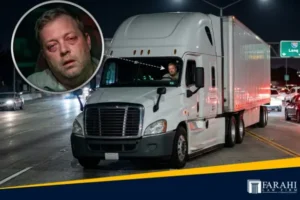

The moments following a traumatic accident are often a blur of confusion, physical pain, and fear. While visible physical injuries are the immediate focus, the unseen wounds (the psychological trauma) can linger for months or even years, profoundly altering your life.
Developing Post-Traumatic Stress Disorder or PTSD from an accident is a devastating but common reality. The path to recovery can feel isolating, even in communities in Visalia, especially when dealing with an insurance company that may minimize or dismiss claims for emotional distress.
This guide is for those whose lives have been upended by the psychological aftermath of an auto accident, slip and fall, or other traumatic event. We will explore what constitutes PTSD, how it impacts personal injury claims, and the types of compensation available for this invisible injury. Understanding your rights is the first critical step.
With the guidance of an experienced Visalia personal injury attorney, you can pursue the justice and resources necessary to heal. They will help hold the negligent party accountable for the full scope of your suffering.
What Counts as PTSD After an Accident?
Post-Traumatic Stress Disorder (PTSD) is not simply feeling shaken up after a scary event; it is a recognized and debilitating mental health condition triggered by experiencing or witnessing a terrifying incident. In the context of personal injury law, a diagnosis of PTSD is a formal acknowledgment of a significant injury. This condition can develop after events that cause intense fear, helplessness, or horror, such as a violent car accident or a severe fall.
To qualify for a legal claim, the symptoms must be clinically significant and persistent in nature. According to the National Institute of Mental Health, these symptoms generally fall into four categories:
- Intrusive Memories: Unwanted and distressing memories of the event, recurring flashbacks that feel real, or nightmares about the trauma.
- Avoidance: Actively avoiding places, activities, or people that trigger memories of the accident. This can mean refusing to drive, avoiding the location of the incident, or withdrawing from social situations.
- Negative Changes in Thinking and Mood: Persistent negative thoughts about oneself or the world, feelings of hopelessness, memory problems, and feeling detached from family and friends.
- Changes in Physical and Emotional Reactions: Being easily startled, always being on guard for danger (hypervigilance), trouble sleeping, irritability, angry outbursts, or overwhelming guilt.
When these symptoms disrupt your daily life, relationships, and ability to work, they form the basis of a powerful component of your personal injury case.
Accidents Most Likely to Cause PTSD
While any traumatic event has the potential to cause lasting psychological harm, certain types of accidents are statistically more likely to result in PTSD due to their sudden, violent, and life-threatening nature. The severity of the incident and the victim’s sense of vulnerability play crucial roles in the development of long-term trauma.
Car Accidents
High-impact collisions, head-on crashes, and accidents involving rollovers or entrapment can leave deep emotional scars. The screech of tires, the sound of impact, and the sight of severe vehicle damage can trigger intrusive memories and flashbacks for years. Even a seemingly minor rear-end collision can cause a victim to develop a persistent fear of driving.
Truck Accidents
Given the immense size and weight difference, accidents involving commercial trucks are often catastrophic in nature. These collisions, especially on highways like CA-99 near Visalia, usually cause severe or deadly injuries. Survivors may see horrible scenes, which is very traumatic.
Motorcycle Accidents
Riders have minimal protection from the elements and the force of impact, making motorcycle accidents especially dangerous. The heightened sense of vulnerability and the often-grievous physical injuries sustained can lead to intense and lasting psychological trauma, including a permanent fear of riding.
Dog Attacks
An aggressive dog attack is a deeply personal and terrifying event. The experience of being mauled or bitten can lead to a specific phobia of dogs (cynophobia), hypervigilance in public spaces, and recurring nightmares related to the attack. This is also true for other premises liability incidents, such as a serious slip and fall where the victim experiences a sudden loss of control and significant injury.
What a PTSD Diagnosis Means for Your Injury Case
Receiving a formal PTSD diagnosis from a qualified medical professional is a pivotal moment in your personal injury case. It transforms your emotional suffering from a subjective feeling into a recognized medical condition that can be presented as evidence.
An insurance adjuster may try to dismiss claims of emotional distress. Still, a documented diagnosis in your medical records provides objective proof of a legitimate injury directly resulting from the accident.
This diagnosis is critical for establishing the full value of your claim, which is typically broken down into two main categories of damages:
- Economic Damages: These are the tangible, calculable financial losses you have incurred. They include all your medical bills and medical expenses for both physical and psychological treatment, lost wages from being unable to work, and the cost of future medical care.
- Non-Economic Damages: These are the intangible losses related to the accident’s impact on your quality of life. A PTSD diagnosis is the cornerstone for proving these damages, which include pain and suffering, emotional trauma, and loss of enjoyment of life.
Without a formal diagnosis, an insurance company has more room to argue that your emotional struggles are exaggerated or unrelated to the accident. A diagnosis from a psychiatrist or psychologist provides the necessary medical validation to fight for the compensation you rightfully deserve.
How PTSD Impacts Work, Family, and Long-Term Functioning
The impact of PTSD from an accident extends far beyond the individual’s mind, creating ripple effects that disrupt every facet of daily existence. This profound disruption is a key component of what defines non-economic damages, particularly the loss of enjoyment of life. At work, the hypervigilance and anxiety associated with PTSD can make concentration nearly impossible.
An HVAC technician who survived a serious fall may find it terrifying to climb ladders again, while an office worker involved in a severe car accident may be unable to handle the stress of a daily commute. This often leads to diminished performance, missed days, and in some cases, a complete inability to return to their former profession, compounding the financial stress of lost wages.
Family life also suffers immensely. The irritability, emotional numbness, and social withdrawal common with PTSD can strain relationships with partners, children, and friends.
A parent might find they can no longer enjoy activities with their kids due to anxiety, or a spouse may become distant and uncommunicative. The joy once found in hobbies, social gatherings, and simple daily routines can be replaced by a persistent sense of dread and avoidance.
These examples of long-term suffering, encompassing both physical pain from injuries and the deep emotional anguish of PTSD, constitute the core of a pain and suffering claim.
Proving PTSD in a Personal Injury Claim
To secure compensation for PTSD, you and your legal team must clearly demonstrate that the condition was directly caused by the negligence of another party. Insurance companies are often skeptical of psychological injuries, so building a strong case requires comprehensive and compelling evidence. Personal injury lawyers are experts at gathering and presenting this proof.
Key evidence in personal injury claims involving PTSD includes:
- Comprehensive Medical Records: This is the most crucial element. Records from your primary care physician, therapists, psychologists, and psychiatrists that document your symptoms, diagnosis, and treatment plan are essential.
- Expert Witness Testimony: A medical expert, such as a trauma specialist, can provide a documented opinion explaining how the accident caused your PTSD and detailing its long-term impact on your life. This testimony can be invaluable in personal injury lawsuits.
- Statements from Friends, Family, and Colleagues: Testimony from people who knew you before and after the accident can provide powerful, real-world examples of how your personality, behavior, and daily functioning have changed.
- Personal Journals: A journal detailing your daily struggles, nightmares, anxiety levels, and avoidance behaviors can serve as a contemporaneous record of your suffering.
- Proof of the Traumatic Event: Evidence from the accident itself—such as photos of the crash scene, police reports detailing the severity, and witness statements—can help establish the traumatic nature of the event that led to your PTSD.
Our skilled Visalia personal injury attorney will carefully gather this evidence. They will create a story that clearly shows your psychological injuries are real and serious.
Non-Economic Damages Available for PTSD Victims
While economic damages cover your financial losses like medical bills and lost income, non-economic damages are designed to compensate you for the profound, intangible ways the accident has diminished your quality of life. For victims of PTSD, this compensation is essential, as it acknowledges the deep and often hidden suffering they endure.
The main types of non-economic damages available include:
- Pain and Suffering: This is a broad category that covers both the physical pain from your injuries and the mental and emotional anguish you experience. For PTSD, this includes the daily torment of anxiety, fear, depression, and flashbacks.
- Emotional Distress: This is a more specific claim focusing directly on the psychological impact of the trauma. It compensates for diagnosed conditions like PTSD, anxiety disorders, and depression caused by the accident.
- Loss of Enjoyment of Life: This is a critical component for PTSD victims. It provides compensation for the inability to participate in hobbies, activities, and social events that once brought joy and fulfillment. For example, if you can no longer hike, play with your children, or attend social gatherings due to anxiety, you can be compensated for that loss.
- Loss of Consortium: In some cases, a spouse may file a claim for the loss of companionship, affection, and intimacy resulting from the victim’s PTSD.
Because there is no simple formula for this kind of suffering, calculating non-economic damages is a complex process. Attorneys often employ methods such as the “multiplier method” (multiplying economic damages by a factor reflecting severity) to arrive at a fair valuation, which is then presented to the insurance company or a jury.
How Can Farahi Law Firm Help With Medical Care and Compensation?
Navigating the aftermath of a traumatic accident is overwhelming, especially when battling the invisible wounds of PTSD. The legal team at Farahi Law Firm understands the unique challenges you face and is dedicated to providing comprehensive support.
Our personal injury lawyers in Visalia do more than just handle paperwork; we become your advocates, ensuring you have the resources to heal while we fight for your financial future.
Our firm can help by:
- Connecting You with Medical Experts: We help you get a proper psychological evaluation and connect you with trauma specialists, ensuring your condition is formally diagnosed and documented in your medical records.
- Building a Powerful Case: We meticulously gather all necessary evidence, from police reports and witness statements to expert medical opinions, to create a compelling narrative for your personal injury case.
- Calculating Your Full Damages: We go beyond just adding up medical expenses. We work to quantify the full extent of your pain and suffering, emotional distress, and loss of enjoyment of life to ensure no aspect of your loss is overlooked.
- Handling the Insurance Company: We take over all communications with insurance adjusters, protecting you from tactics designed to devalue your claim. We understand personal injury law and are prepared to counter their arguments and fight for a fair settlement.
- Pursuing Justice: If a fair settlement cannot be reached, we are fully prepared to file personal injury lawsuits and advocate for you in court, ensuring your story is heard and your suffering is acknowledged.
We manage the legal complexities so you can focus on what matters most: your recovery.