After a car crash or a slip and fall, you expect the process to be straightforward. You file a claim with your insurance. You get medical care. You focus on healing.
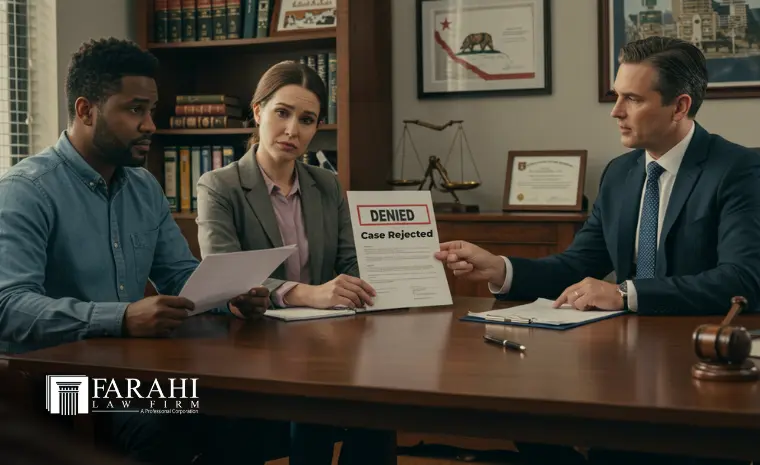
Instead, many accident victims in California receive an unexpected denial letter from their insurance company. What should support your recovery becomes a second crisis. Medical bills pile up. Treatment feels uncertain. Stress takes over—while insurance companies offer little explanation when you need answers most.
In this guide, we break down the most common reasons a rejected claim in California happens and explain what you can still do to protect your rights and pursue justice.
Why Do Injury Claims Get Rejected in California?
Not every accident claim leads to compensation. In California, insurance companies deny many personal injury claims for not following the required specific steps needed.
Below are the most common reasons insurers deny injury claims, and how they justify those decisions.
1. Lack of Evidence of Liability or Damages
Insurance companies do not rely on verbal accounts alone. Under California law, an injury claim must be supported by evidence showing who was at fault and what damages. To establish liability and damages, insurers typically expect:
- Photos or videos of the accident scene
- Accident or police reports
- Witness statements
- Medical records linking injuries to the accident
- Proof of lost wages and property damage
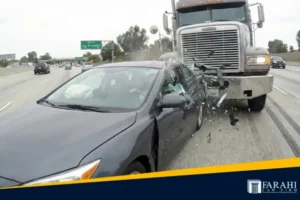
When this evidence is missing or incomplete, insurers often argue there is no good cause for the claim. This is especially common in car accidents and truck accidents, where fault may be disputed or shared among multiple parties.
2. Gaps in Medical Treatment or Delays in Care
Insurance companies argue that waiting to seek medical treatment means the injuries were not serious or were not caused by the accident. Even short gaps in treatment can weaken your injury claim.
Tip: Seek medical treatment as soon as possible after any accident, even if your symptoms seem minor. Follow your treatment plan and document every visit.
3. Unclear Causation of Injuries
Insurance companies often deny claims when they argue your injuries might not have been caused by the accident.
This is common when you had a pre-existing condition, such as a back or neck issue. Without updated diagnostic scans or clear medical opinions, insurers may claim your pain existed before the car accident.
What helps establish causation:
- Updated diagnostic imaging
- Medical records connecting injuries to the crash
- Physician or specialist opinions
When causation is unclear, insurers use it to justify a claim rejection in California.
4. Missed Statute of Limitations
California law has strict time limits applicable to personal injury cases. If you file too late, the court can dismiss your case, no matter how strong your evidence may be. Insurance companies track these deadlines closely and often deny claims once the statute of limitations expires.
Key California filing deadlines:
Type of Case | Filing Deadline |
Personal Injury | 2 years from the accident |
Property Damage | 3 years from the incident |
Claim against the estate | 6 months from the incident |
(Source: California Courts – .gov)
5. Lack of Injury Documentation
In personal injury law, compensation depends on proof of injury, not vehicle damage.
When no injuries or pain are documented at the scene or in medical records, insurance companies argue the injuries were minor or unrelated, making it difficult to recover compensation for pain and suffering later.
What Should You Do If Your Claim Was Rejected?
A denied injury claim does not end your case. You still have options under California law.
Take these next steps immediately:
Request the denial reason in writing
Insurance companies must explain why your claim was rejected, and review it with a Santa Clara personal injury lawyer.
Gather New Evidence
Add missing medical records, updated bills, witness statements, or expert opinions.
Pursue an appeal or lawsuit
Many rejected claims are overturned through an appeal or a personal injury lawsuit with proper legal representation.
Live in Santa Clara, CA? Know Your Rights
If your injury occurred near El Camino Real, Levi’s Stadium, or downtown Santa Clara, you are not alone. In 2022, Santa Clara County reported thousands of traffic-related injury and fatality cases, according to the California Office of Traffic Safety (OTS).
Local knowledge matters. Working with a Santa Clara personal injury lawyer who understands area-specific accident patterns, insurers, and courts can significantly improve your ability to recover compensation after a rejected claim in California.