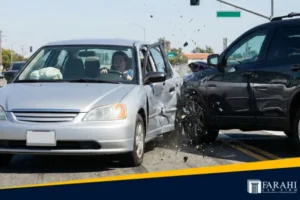
After a car accident in California, confusion often sets in before the paperwork even begins. Medical bills arrive, repairs are needed, and questions surface about how your car insurance policy will actually respond.
Your auto insurance does more than satisfy legal requirements—it shapes your covered losses, how quickly payments are issued, and whether gaps appear during the claim process. Understanding how policies apply to car accidents can help protect you from uncovered losses and unnecessary delays.

Knowing what your coverage allows is the first step. Below, we explain how insurance choices affect real claims.
Types of Car Insurance Coverage That Impact Accident Claims
Related read: Get Your Maximum Settlement by Avoiding These 3 Common Insurance Traps
Navigating California Personal Injury Claims
California car accidents are handled under a fault-based system, meaning the party responsible for the crash is generally liable for the resulting losses.
In practice, this responsibility is first addressed through insurance coverage, not the courtroom. An auto insurance policy often sets the maximum amount available for medical bills, property damage, and other losses, regardless of the severity of the injuries.
Most claims begin with the insurance companies’ claims process, where coverage terms and limits guide each decision. Understanding how insurance coverage applies early on can help accident victims anticipate challenges and protect their financial recovery as a claim progresses.
Understanding Your Policy Limits
Knowing your policy limits is essential when navigating California personal injury claims after an auto accident. These limits determine the maximum amount an insurance company will pay for covered damages, even when losses are significant.
Under current California law, drivers must carry minimum insurance coverage of $30,000 per person for bodily injury and $60,000 per accident for bodily injury. The law also requires $15,000 in property damage coverage under California Insurance Code §11580.1b.
When damages exceed these limits, accident victims may be left responsible for unpaid medical bills, repairs, or other losses. This gap often becomes apparent during the claims process, especially in severe collisions.
Working with a Personal Injury Attorney
Navigating a personal injury claim after a serious crash can feel overwhelming, especially when covered losses exceed available insurance coverage.
A qualified personal injury attorney can help clarify your rights and protect your interests throughout the claims process. At Farahi Law Firm, our California-based legal team has decades of experience handling auto accidents involving disputed liability, limited coverage, and denied benefits.
We assist clients by:
- Reviewing insurance coverages connected to accident damages, including medical treatment, follow-up care, and vehicle repairs
- Addressing disputes with insurers and repair shops regarding repair scope, delays, and claim handling decisions
- Pursuing available benefits such as rental reimbursement, towing, storage fees, and other transportation expenses
- Identifying coverage gaps that may limit compensation for out-of-pocket costs or other uncovered losses
With knowledgeable guidance, accident victims gain clearer direction before insurers make decisions that can affect long-term financial recovery.
Start Maximizing Your Coverage Today
When a crash disrupts your life, your car insurance policy should help—not create more stress. Yet disputes with insurance companies, delays at the body shop, or limits buried in an auto policy can affect both medical care and financial recovery.
Farahi Law Firm helps California accident victims understand their coverage, address insurance obstacles, and pursue fair compensation for their losses. If questions about your policy or claim are holding you back, now is the time to get clarity.
Contact us today for a free consultation and learn how we can help protect what matters most.